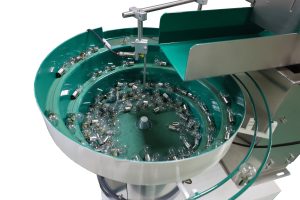
The machine adopts a vibratory bowl feeder to achieve stable and continuous automatic feeding. Each signal bulb is accurately positioned and powered on for real-time lighting testing, simulating actual working conditions to verify functionality and performance.
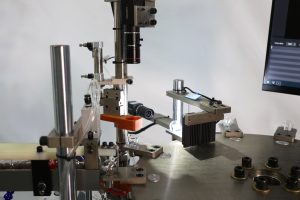
Equipped with a high-precision industrial camera and intelligent vision system, the machine performs comprehensive inspection, including:
- Detection of whitening (abnormal light color)
- Filament value and condition analysis
- External appearance inspection
This ensures consistent quality control and reduces the risk of defective products entering the market.
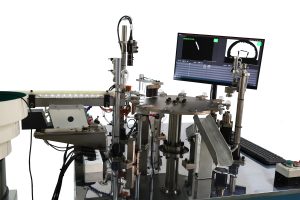
Based on inspection results, the system automatically classifies bulbs:
- Qualified bulbs (OK): transferred to the marking station
- Defective bulbs (NG): automatically rejected into a dedicated NG bin
This fully automated sorting process improves efficiency while minimizing manual intervention.
Qualified bulbs are sent to the marking station, where identification codes, batch numbers, or branding can be applied. This enhances product traceability and supports downstream packaging or assembly processes.
- Vibratory bowl feeding for continuous automation
- Real-time lighting test for functional verification
- Vision inspection system with industrial camera
- Detection of whitening, filament defects, and appearance issues
- Automatic OK/NG sorting system
- Integrated marking function for traceability
- High efficiency and reduced labor cost
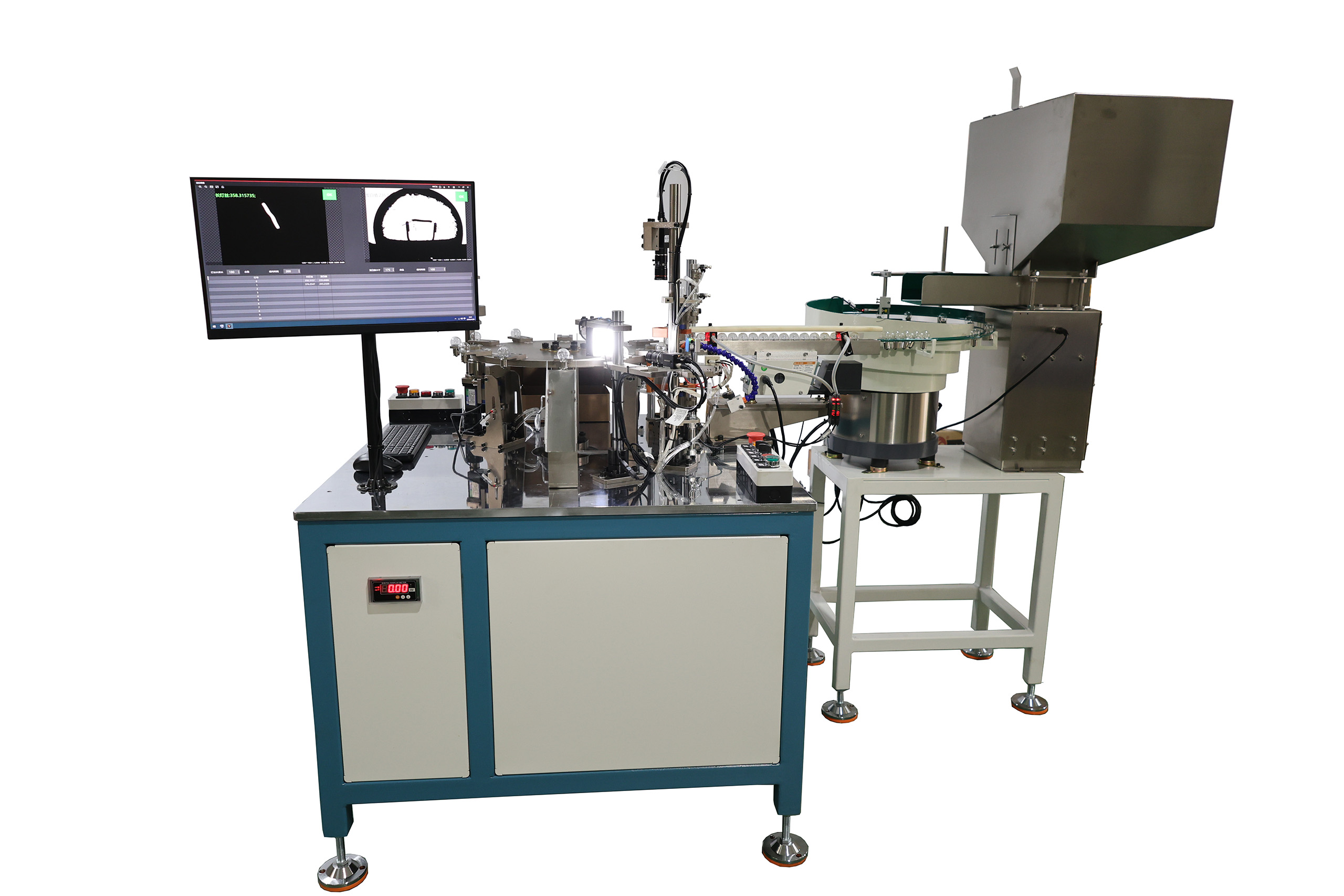
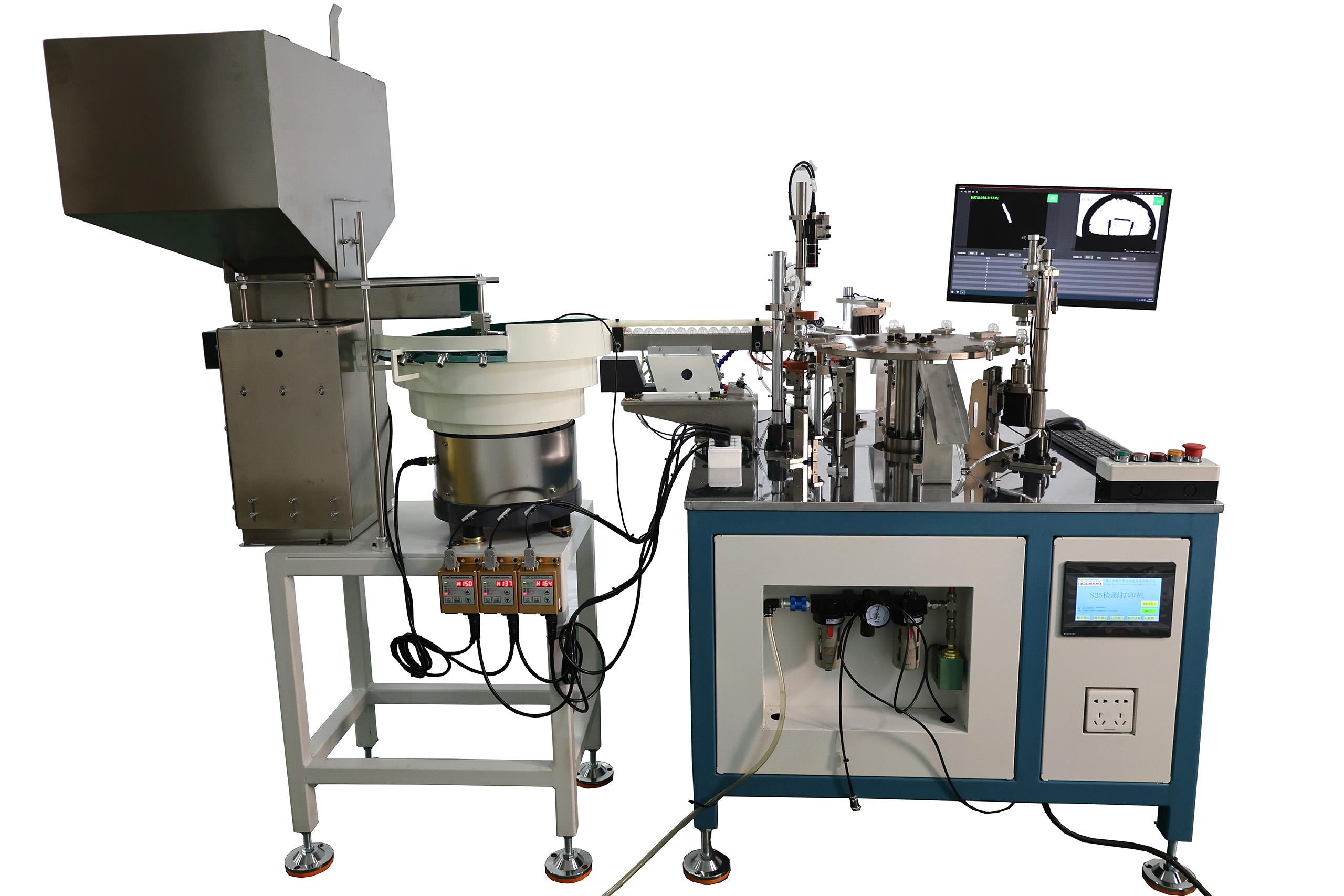
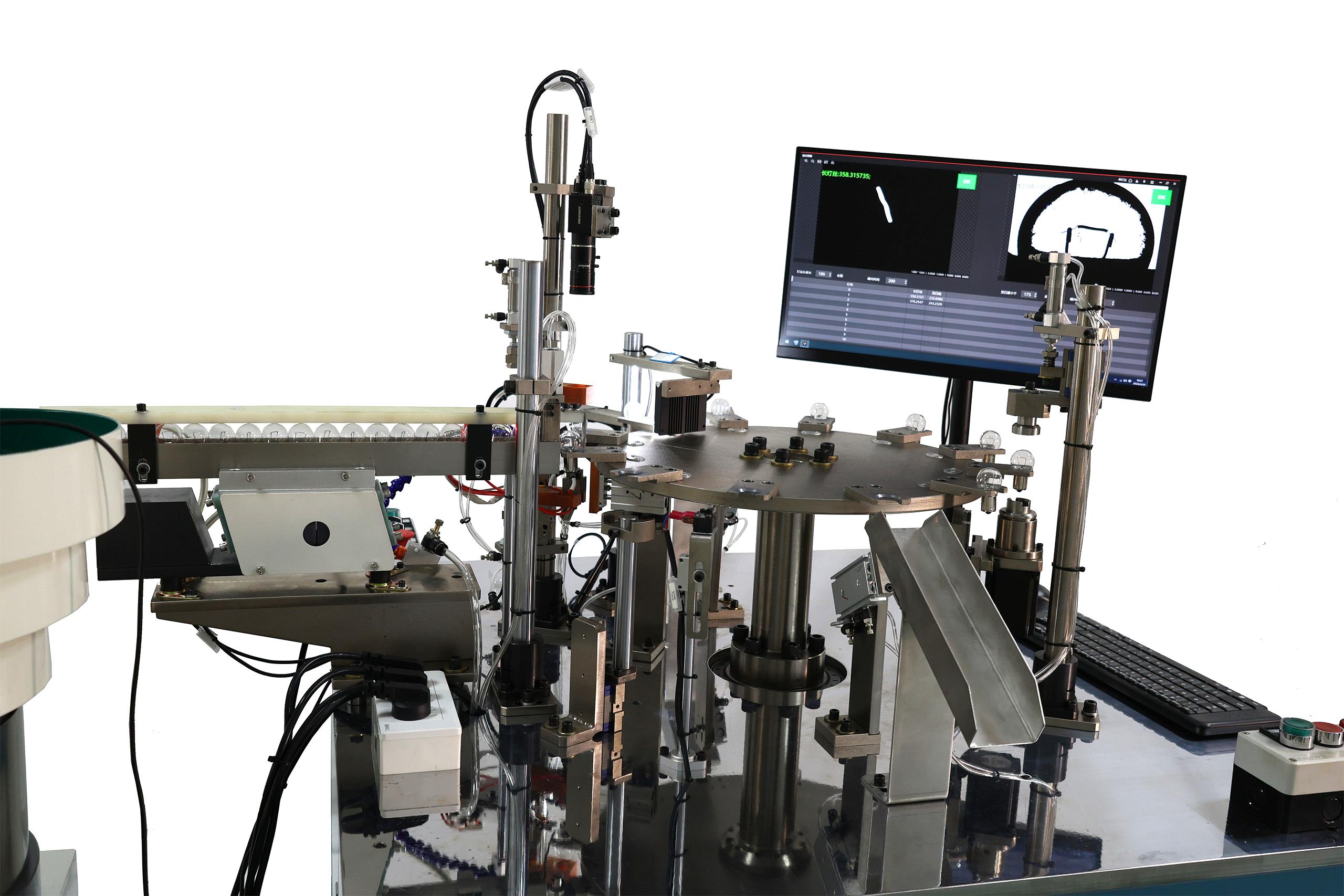
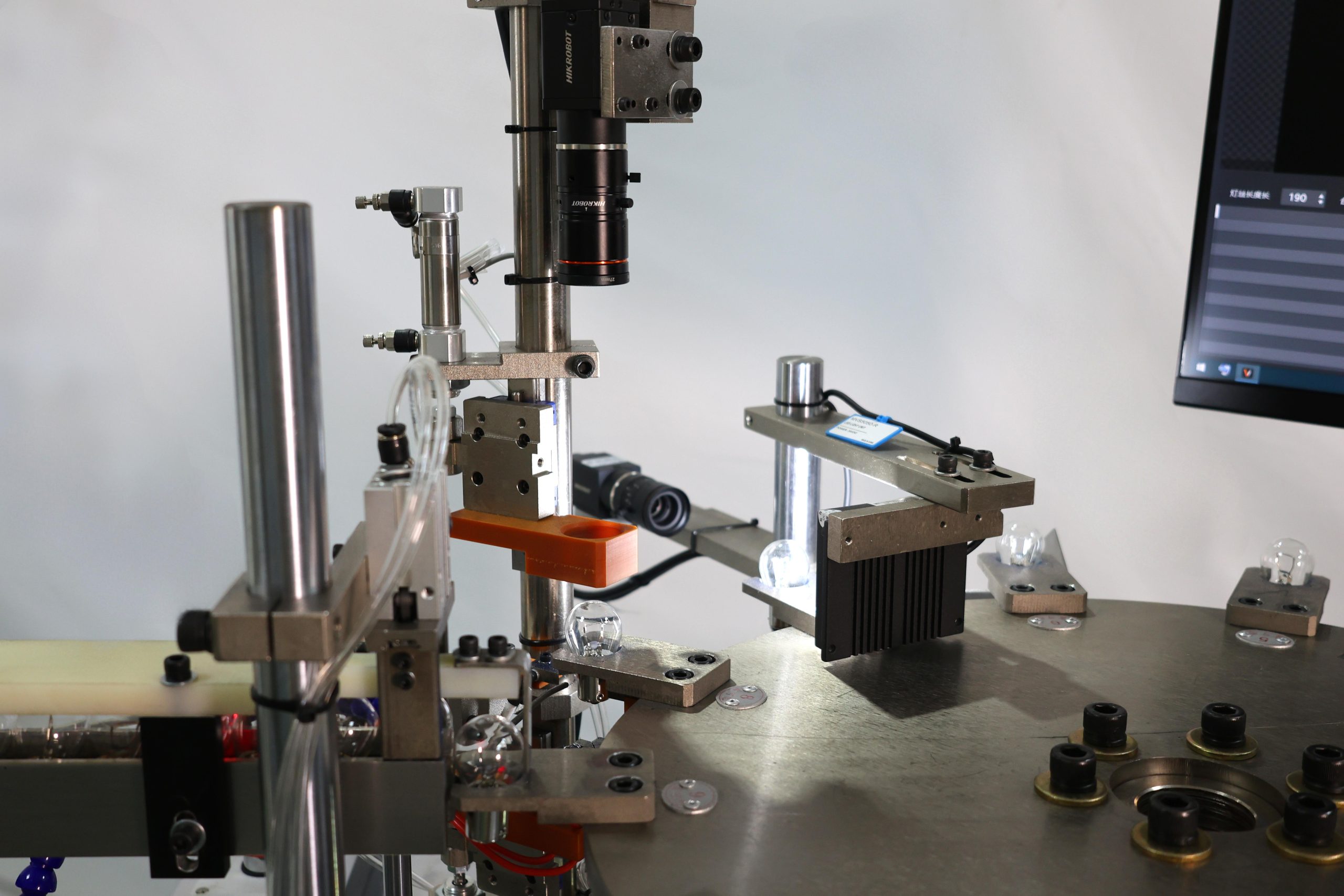
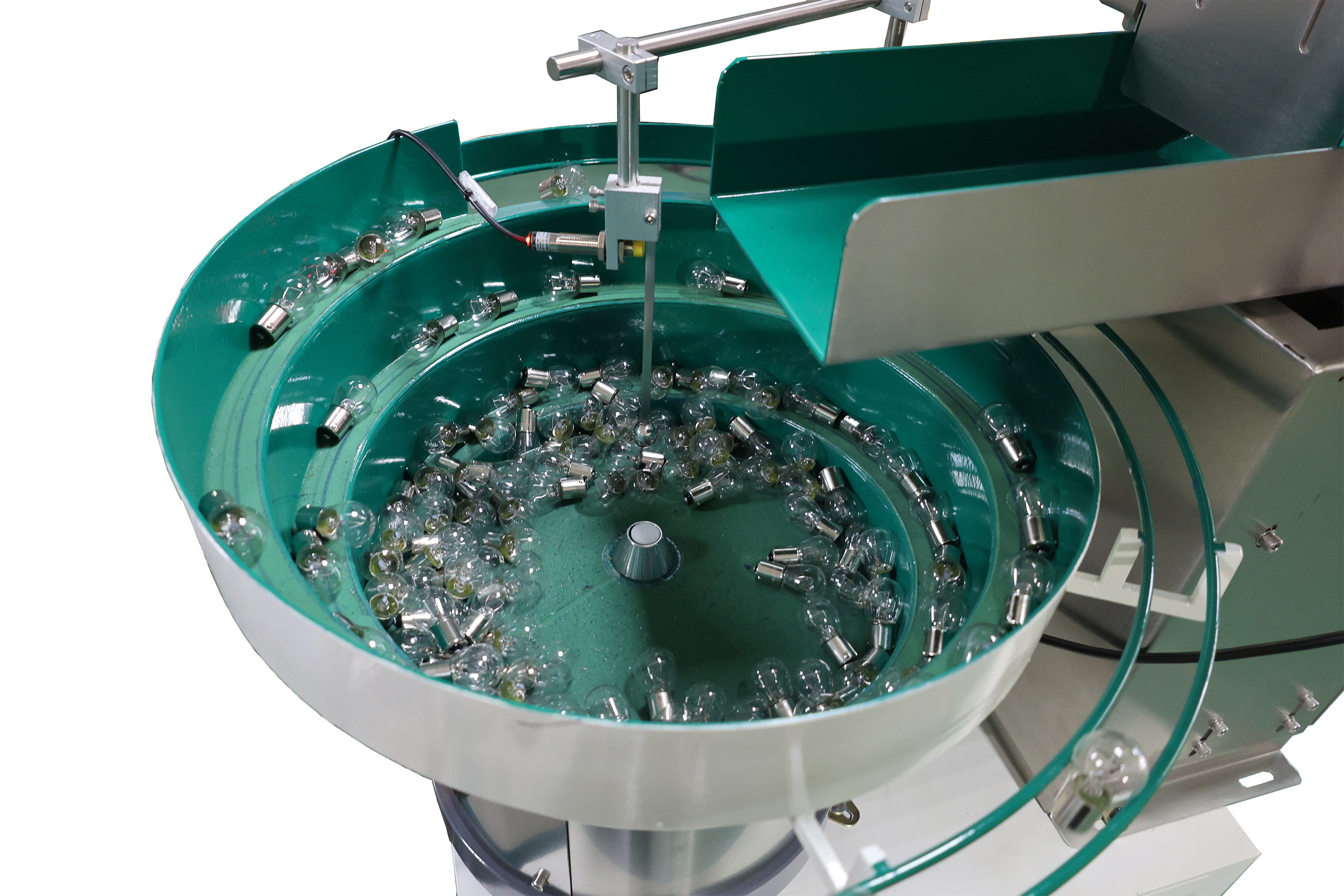
 Complete Line
 Mon - Sat, 9:00 AM - 5:30 PM CST






 Tel:+86-757-81036610